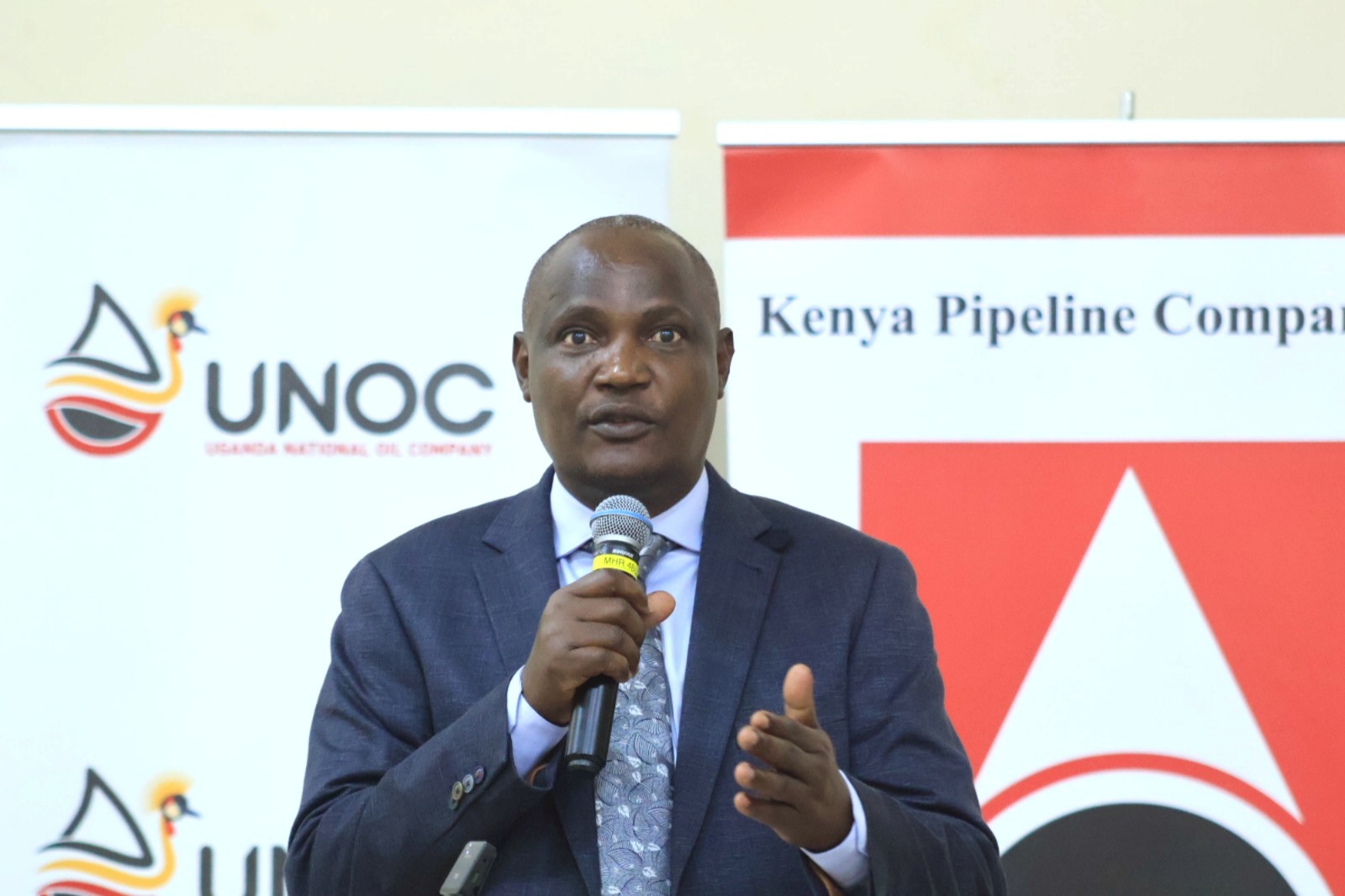
The government is preparing to ease the tax burden on low and middle-income earners by scrapping income tax for workers earning below Sh30,000 and lowering rates for those earning up to Sh50,000.
The move targets salaried Kenyans as part of efforts to revive spending and reduce pressure caused by the rising cost of living.
Treasury Cabinet Secretary John Mbadi revealed the plan on Sunday during the Budget and Privatisation Public Engagement Forum held at Kiambu National Polytechnic.
He said the decision was driven by concerns that salaried workers are overstretched and unfairly shouldering the country’s tax load.
“Those salaried Kenyans, we have 3.5 million Kenyans earning a salary. They are carrying the burden on almost everybody. It is not fair. We have decided that I am taking a proposal amendment to Bunge. I am not even waiting for the Finance Bill. Anybody earning below 30,000 in this country should pay zero tax. Zero,” Mbadi said.
He explained that the proposal also includes tax reductions for earners below Sh50,000, noting that the government wants to increase disposable income and stimulate economic activity.
“And anyone earning below 50,000 in this country, we are going to reduce tax. And this is what the government has decided. We have sat down with the President, and we have agreed. We want to give you something in your pocket so that you can spur demand in the economy.”
Mbadi said the government had assessed the state of the economy and concluded that weak consumer spending was hurting businesses and households alike.
“Because we have looked at the economy, and we can see the economy choking. Because people don’t have money in their pockets to buy from you. Hakuna mtu ananunua mboga. Badala ya kununua mboga ya sasa hivi mtu anakuja kununua mboga four leaves,” he said.
The Treasury Cabinet Secretary also used the forum to defend the government’s fiscal approach, warning that Kenya was previously at risk of defaulting on its debt, a situation that would have triggered severe consequences.
“In 2021–2022, the IMF predicted that six countries in Africa were going to default on debt repayment. If you fail to pay your debts, it means that it is a failed economy. It is a collapsed economy,” Mbadi said.
He said default would have exposed Kenya to tough conditions from the IMF, including massive cuts in public sector employment.
“What will happen is IMF will come calling. They will say, fine, we will help you, but on conditions. Number one, you must cut your civil service by 50 per cent. Half of the chiefs go home. Half of the teachers go home,” he said.
Mbadi added that political leadership would not have been spared under such a scenario.
“The number of Members of Parliament could have dropped from 290 to 145, while Members of County Assemblies would have reduced from about 1,400 to roughly 700. Salaries, including that of the president, would have been slashed by half,” he said.
He drew parallels with past economic reforms carried out during the era of former President Daniel arap Moi, when retrenchment affected many workers.
“Remember, there was this structural programme during Mzee Moi’s time. We had not even defaulted, but one of the conditions was retrenchment. Take the staff home. That is what was facing us,” Mbadi said.
Pointing to developments across the continent, Mbadi said Kenya had avoided the fate of most African countries that were flagged as high risk.
“Five countries out of those six have defaulted. In the neighbourhood here is Ethiopia. The other ones were Ghana, Chad and Mozambique. It is only Kenya which has not defaulted. It is only Kenya,” he said.
While admitting that many Kenyans are frustrated by joblessness and high prices, Mbadi urged the public to separate everyday struggles from the overall economic position.
“I know many of us have been told that this government has done nothing, and we believe it. And there is nothing wrong with believing, because we can’t think the same. If you find two people always agreeing, one of them is not thinking, or both,” he said.
He challenged traders and entrepreneurs to imagine operating in a collapsed economy.
“How would you have done business in an economy that has collapsed?” he asked.































Comments
Sign in with Google to comment, reply, and like comments.
Continue with Google